Description
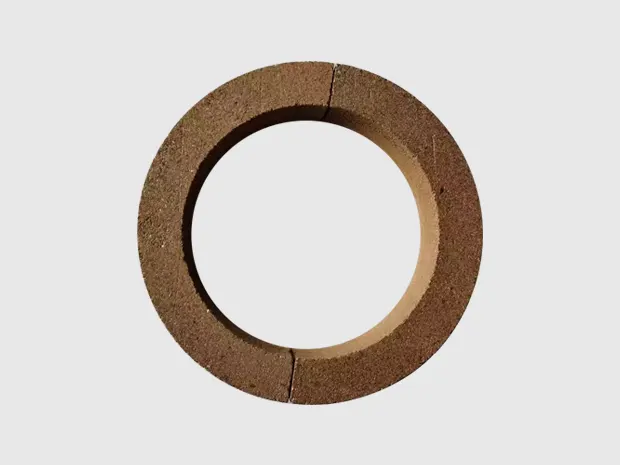
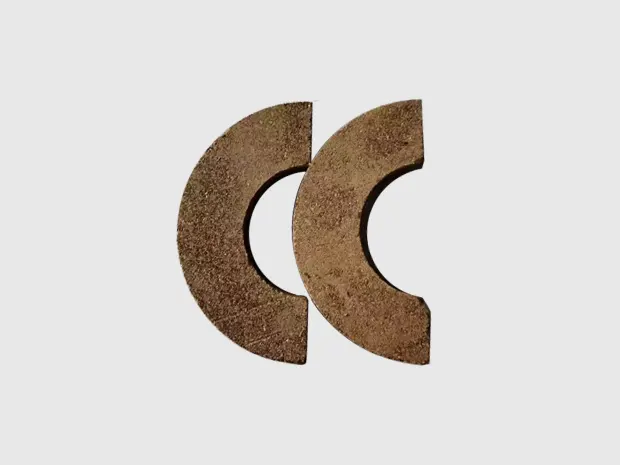
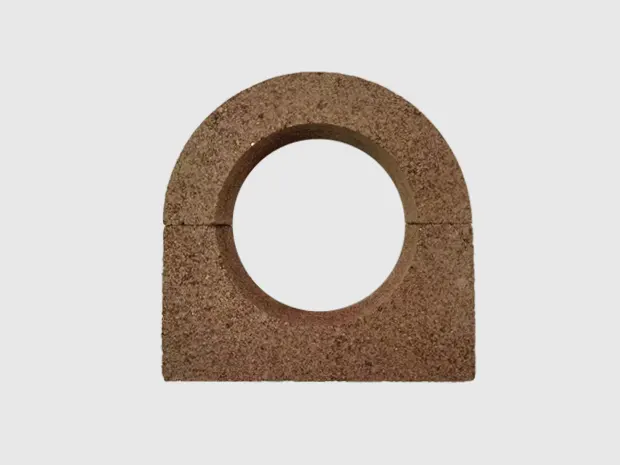
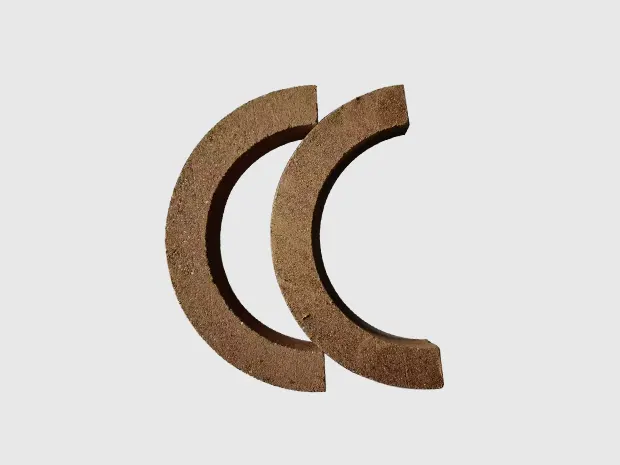
Shijiazhuang Chenxing Industry Co., Ltd expanded vermiculite pipe supports are manufactured using a blend of 80% vermiculite, 15% high-temperature resistant adhesive, and 5% other ingredients. The mixture is thoroughly combined until it forms a non-sticky, ball-shaped consistency when kneaded by hand. This mixture is then placed into molds at a spherical moisture content. After approximately two hours of high-temperature compression, the molds are removed and allowed to cool naturally in a horizontal position. Customization is available based on pipe dimensions and specific requirements. These pipe supports are Class A1 non-combustible inorganic materials with a fire resistance rating exceeding 3 hours. They emit no harmful gases under high temperatures or fire conditions. Featuring low thermal conductivity and excellent insulation properties, they operate reliably within a broad temperature range up to 1100°C. Lightweight design minimizes load on equipment and piping systems. The product boasts high compressive strength exceeding 0.5 MPa. The system materials exhibit excellent compatibility and high bonding strength with walls. The panels have low dry shrinkage values, preventing hollows or cracks, and demonstrate strong wind pressure resistance.
Expanded vermiculite pipe supports are directly bonded using specialized mortar, facilitating easy operation and simultaneous construction, significantly shortening the construction cycle. While modern buildings are designed for 50–100 years of service life, organic materials typically last only 20–25 years. Re-installation incurs high costs, causes significant environmental pollution, and disrupts daily operations. Expanded vermiculite pipe supports offer superior stability, high resistance to carbonation, aging, and freezing, excellent weather resistance, and a service life matching the building lifespan.
Expanded vermiculite pipe supports primarily use ordinary Portland cement as raw material. They do not burn or emit harmful gases at high temperatures and are non-radioactive, qualifying as safe and environmentally friendly products. No harmful gas emissions occur during production, installation, or use, and there is no risk of mineral wool dust exposure. After building demolition, the material can be crushed and reused as filler, causing no environmental pollution. This enables sustainable production, making it an excellent energy-saving, eco-friendly, and waste-recycling material. It is widely used in thermal pipelines for chemical plants, petroleum facilities, and urban heating systems.