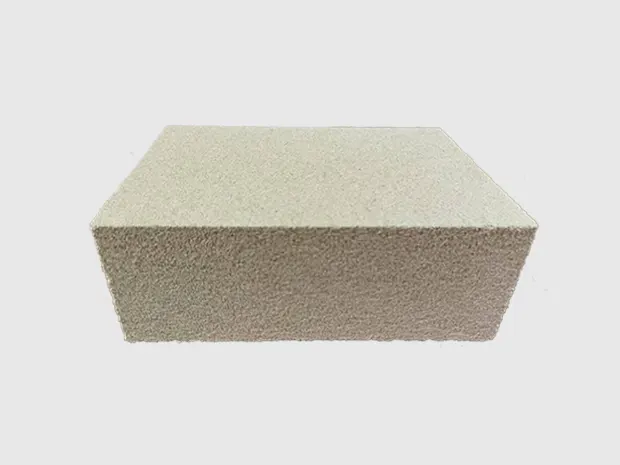
Introduction to Vermiculite Bricks:
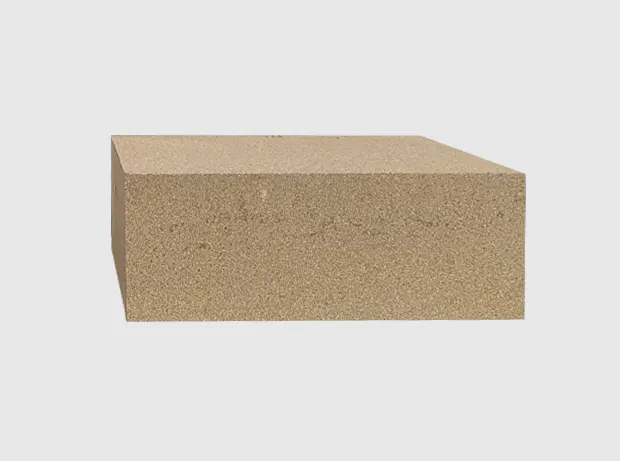
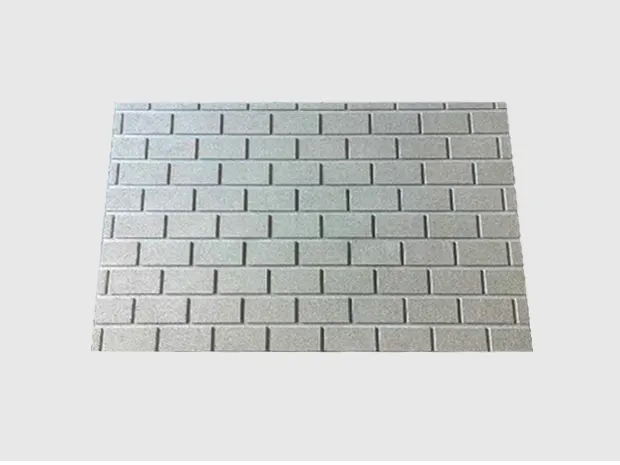
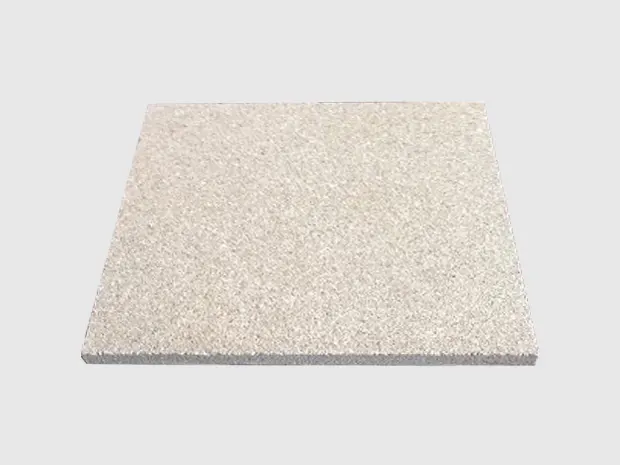
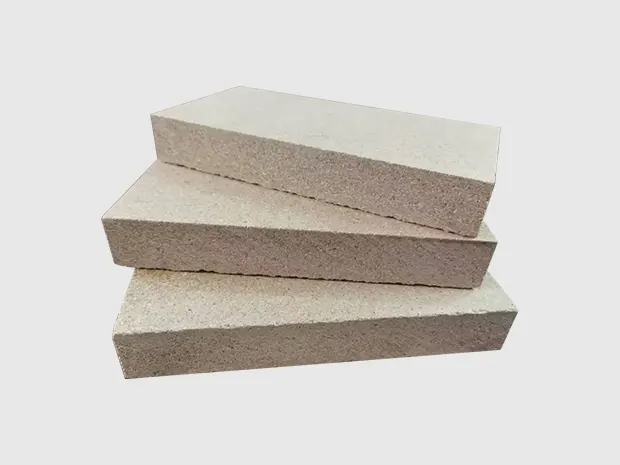
Vermiculite bricks are heat-insulating products with uniform shapes, manufactured by mixing high-quality vermiculite ore—expanded into worm-like vermiculite at 900°C–1000°C—with binding agents. Typically, granular expanded vermiculite is blended with an appropriate amount of high-strength binding agent, lightly pressed into form, then dried or baked to complete production. The thermal conductivity of the binder is generally higher than that of the expanded vermiculite. While the addition of binder enables new applications for expanded vermiculite, it also reduces its thermal insulation effectiveness. Common types include cement-bonded vermiculite products, water glass-bonded vermiculite products, and asphalt-bonded vermiculite products.
Vermiculite bricks have a density of 0.4–0.8 g/cm³, a thermal conductivity at room temperature of 293–502.4 J/(m·h·℃) (70–120 cal/(m·h·℃)), compressive strength <2.45 MPa, and water absorption around 6%.
Vermiculite bricks feature a thin-walled hollow structure with relatively low strength and melting point. Their refractoriness and high-temperature performance fall below other lightweight refractory materials. They are unsuitable for load-bearing applications or as medium-to-high-temperature insulation materials, with an operating temperature range of 800–1100°C. Vermiculite bricks are widely used in roofing and soundproofing applications.
Vermiculite Brick Specifications:
240*114*65MM
Custom sizes available upon request.
Application Areas of Vermiculite Bricks:
Construction: Lightweight materials, lightweight concrete aggregate (lightweight wall powder, lightweight mortar)
Heat-Resistant Materials: Wall cladding, fireproof panels, fire-resistant mortar, refractory bricks
Thermal Insulation & Sound Absorption: Underground pipeline insulation, greenhouse pipe insulation, interior/tunnel lining, public space walls and ceilings
Metallurgy: Steel frame coating, ironmaking, casting slag removal, high-rise steel frame coating, loose vermiculite