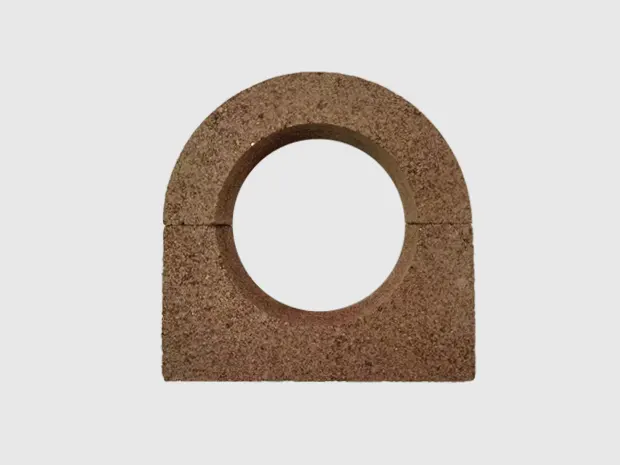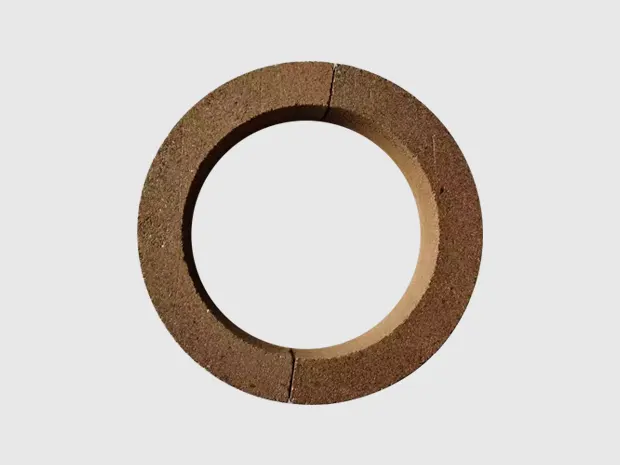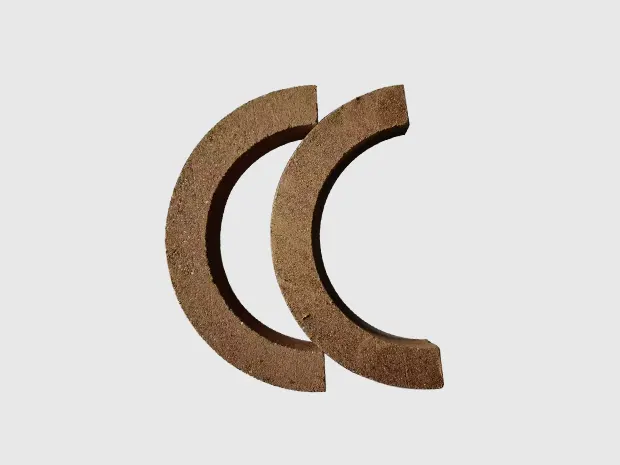
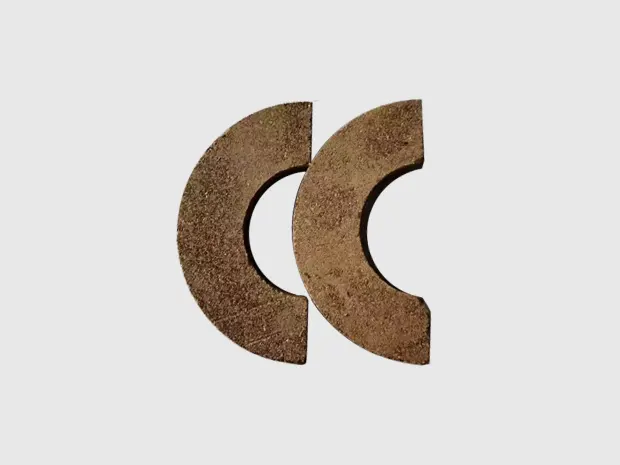

Vermiculite insulated pipe supports are currently a vital component for energy conservation and emission reduction in thermal network pipelines. They feature low volumetric weight, low thermal conductivity, low water absorption, excellent thermal insulation performance, and superior heat retention properties, making them an ideal thermal insulation material. Vermiculite pipe supports are Class A1 non-combustible inorganic materials with a fire resistance rating exceeding 3 hours. They operate across a broad temperature range up to 1100°C and emit no harmful gases during fires or high-temperature exposure. As a densely closed-cell material, vermiculite also provides excellent sound insulation, significantly reducing noise impact and improving living environments.
Vermiculite insulation pipe supports feature high mechanical strength and strong bonding properties, with ZC vermiculite pipe supports exhibiting compressive strength exceeding 0.5 MPa. The system materials demonstrate excellent compatibility, further enhancing strength and hardness while reducing thermal conductivity. They possess high compressive strength, low thermal conductivity, and low water absorption, coupled with strong adhesion to walls. The product exhibits excellent stability and weather resistance, with high resistance to carbonation, aging, and freezing. It boasts a long service life, typically matching the lifespan of the building structure.
Vermiculite insulation pipe supports are simple and convenient to install, easy to handle, and allow simultaneous construction in multiple areas, significantly shortening the construction cycle. No harmful or toxic gases are emitted during production, installation, or use, and there is no risk of mineral wool dust causing harm to the human body. After building demolition, the material can be crushed and reused as filler, causing no environmental pollution. This enables sustainable production aligned with modern environmental and energy-saving principles. Widely applied in thermal pipelines for chemical, petroleum, and urban heating systems, it not only reduces pipe support costs but also enhances the thermal insulation of piping systems, minimizing heat loss.