Technical Parameters:
Density: 500–1200 kg/m³
Thermal Conductivity: 0.04–0.06 W/m·K
Maximum Operating Temperature: 1000–1100°C
Compressive Strength: 0.5–2.0 MPa
Dimensions: Common Dimensions: 1000×600×50 mm
Moisture Content ≤1%
Raw Material Processing: Natural vermiculite is heated at high temperatures to expand, forming expanded vermiculite.
Mixing and Molding: Expanded vermiculite is mixed with a binder and pressed into plates.
Drying and Curing: Plates are cured through drying or heat treatment.
Cutting and Processing: Plates are cut to specific dimensions as required.
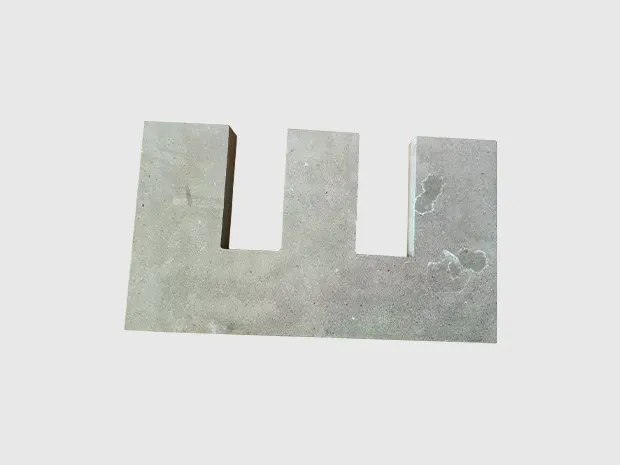
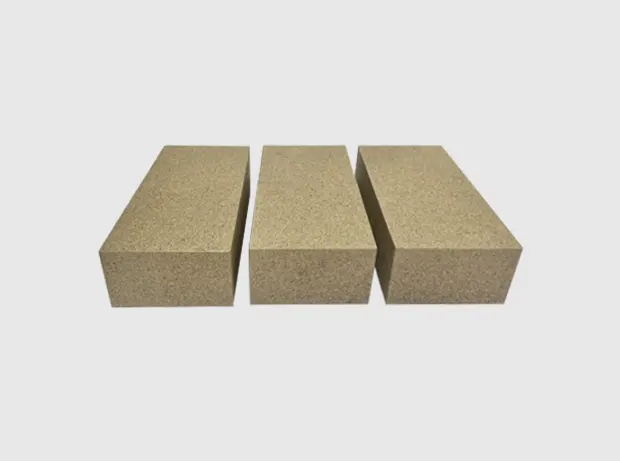
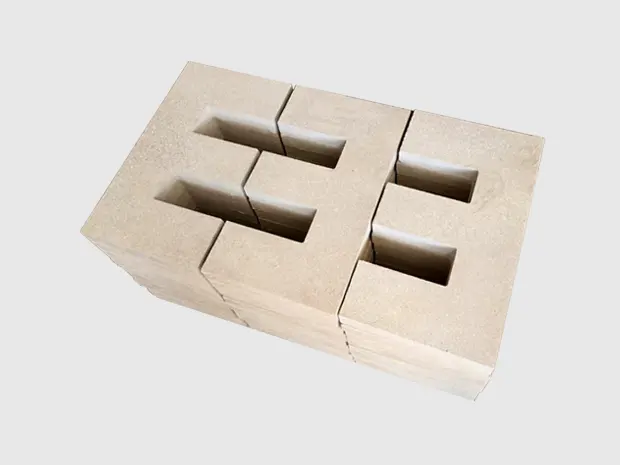
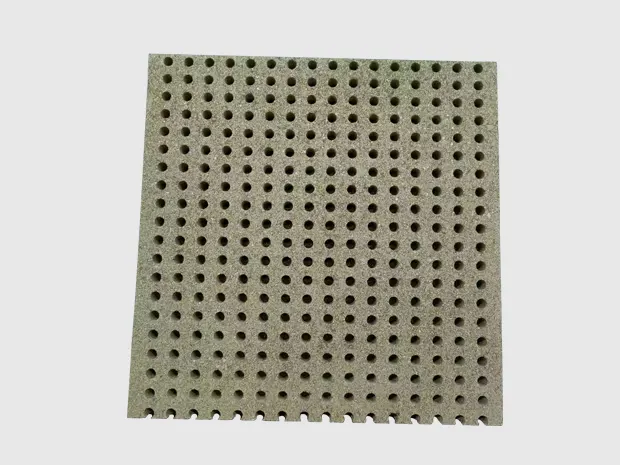
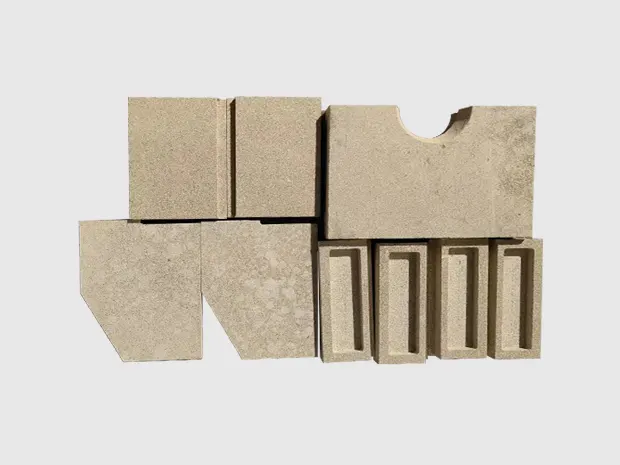
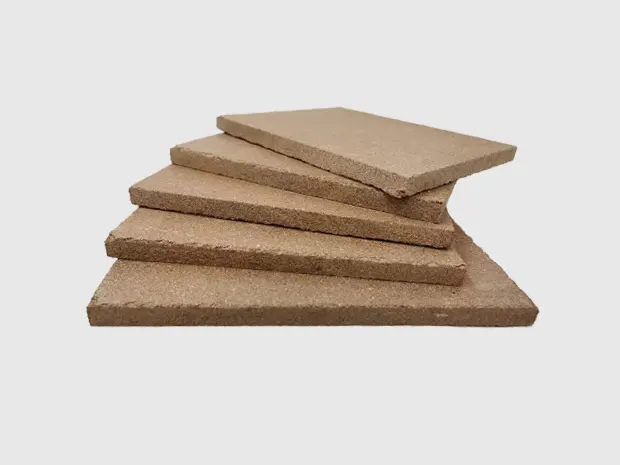
Vermiculite boards for electrolytic aluminum cells are formed by compressing expanded vermiculite with a special adhesive. They feature high-temperature resistance, corrosion resistance, excellent insulation properties, and low thermal conductivity, making them commonly used as lining materials for electrolytic aluminum cells. The plates withstand extreme temperatures and chemical corrosion, which is crucial for maintaining the harsh conditions inside electrolytic aluminum cells. Their high-temperature resistance, sufficient mechanical strength, and wear resistance ensure the safe and stable operation of the cells. As the thermal insulation layer for electrolytic aluminum cells, vermiculite boards help maintain stable temperatures inside the cells, effectively controlling the substantial heat generated by aluminum oxide in the electrolyte. Their anti-erosion properties not only reduce damage to the cells and extend their service life, but their resistance to fluoride and cryolite permeation is also critical for enhancing the durability of the electrolytic cells.

Electrolytic aluminum cell vermiculite board is a high-performance thermal insulation material specifically designed for aluminum electrolytic cells. Primarily composed of expanded vermiculite, it offers lightweight properties, high-temperature resistance, and excellent thermal insulation performance.
The following is a detailed introduction to the aluminum cell vermiculite board:
Material and Characteristics:
Main Components: Expanded vermiculite serves as the primary raw material, with possible additions of small amounts of binders (such as sodium silicate) to enhance board strength.
Applications and Functions:
Vermiculite board are primarily used as thermal insulation layers for electrolytic aluminum cells, with specific applications including:
Serving as lining material for electrolytic aluminum cells to maintain the harsh internal environment.
Acting as a thermal barrier to help maintain stable temperatures within the cells.
Sidewall Insulation: Installed on cell sidewalls to minimize heat loss and protect external steel structures.
Bottom Insulation: Applied to cell bases to prevent downward heat transfer and enhance thermal efficiency.
Sealing and Filling: Used in cell gaps or joints to prevent electrolyte leakage or air ingress.
Energy Conservation: Significantly reduces heat loss from cells, lowering energy consumption.
Extended Equipment Lifespan: Protects cell steel structures from high-temperature corrosion, prolonging service life.
Easy Installation: Panel format facilitates cutting, installation, and replacement.
Environmentally Friendly and Safe: Non-toxic and harmless, emits no harmful gases at high temperatures.
Typical Technical Parameters (Specific values may vary by manufacturer):
Density: 500–1200 kg/m³
Thermal Conductivity: 0.04–0.06 W/m·K
Maximum Operating Temperature: 1000–1100°C
Compressive Strength: 0.5–2.0 MPa
Dimensions: Common Dimensions: 1000×600×50 mm
Moisture Content ≤1%
Raw Material Processing: Natural vermiculite is heated at high temperatures to expand, forming expanded vermiculite.
Mixing and Molding: Expanded vermiculite is mixed with a binder and pressed into plates.
Drying and Curing: Plates are cured through drying or heat treatment.
Cutting and Processing: Plates are cut to specific dimensions as required.
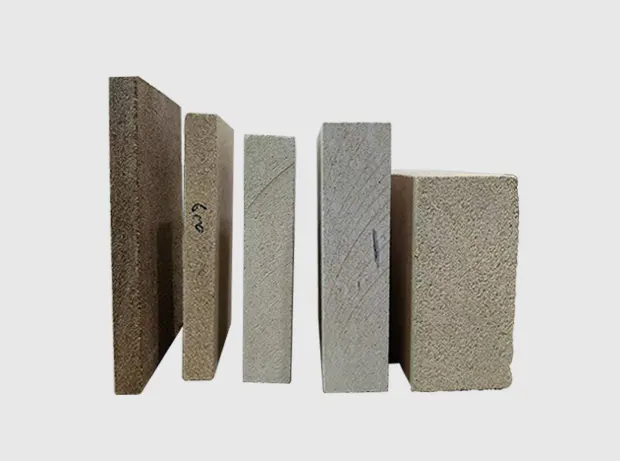
Electrolytic aluminum cell vermiculite boards are primarily categorized into two types: high-density vermiculite boards and low-density vermiculite boards.
High-Density Vermiculite Board (1200KG±100KG)
| Testing Items | Unit of Measurement | Test Result | Test Standard |
| Compressive Strength at Room Temperature | Mpa | 13.2 | GB/T 5072-2023 |
| Flexural Strength | Mpa | 4.1 | GB/T 3001-2017 |
| Porosity | % | 49.1 | GB/T 2991-2015 |
| Linear Change (900℃*3h) | % | -0.22 | YB/T5988-2022 |
| Thermal Conductivity (200℃) | W/(m·K) | 0.220 | YB/T5988-2022 |
| Thermal Conductivity (400℃) | W/(m·K) | 0.238 | YB/T5988-2022 |
| Thermal Conductivity (600℃) | W/(m·K) | 0.249 | YB/T5988-2022 |
| SiO2 | % | 40.75 | XRF |
| AI2O3 | % | 16.10 | XRF |
| MgO | % | 14.29 | XRF |
Low-density vermiculite board (500KG±50KG)
|
Testing Items |
Unit of Measurement |
Test Result |
检测方法 |
| Compressive Strength at Room Temperature | Mpa | 1.31 | GB/T 5072-2023 |
| Flexural Strength | Mpa | 0.7 | GB/T 3001-2017 |
| Porosity | % | 79.8 | GB/T 2991-2015 |
| Linear Change (900℃*3h) | % | -0.96 | YB/T5988-2022 |
| Thermal Conductivity (200℃) | W/(m-K) | 0.096 | YB/T5988-2022 |
| Thermal Conductivity (400℃) | W/(m-K) | 0.109 | YB/T5988-2022 |
| Thermal Conductivity (600℃) | W/(m-K) | 0.126 | YB/T5988-2022 |
| SiO2 | % | 45.66 | XRF |
| AI2O3 | % | 11.42 | XRF |
| MgO) | % | 9.89 | XRF |